Bathrooms, kitchens and laundries are where ordinary gypsum board fails first. Steam and splashes soak into the core, and the result is sagging ceilings, stains and mould.
There are two common solutions: moisture resistant board and cement fibre board. They are not interchangeable, and the right choice depends on how wet the area actually gets.
Moisture resistant board
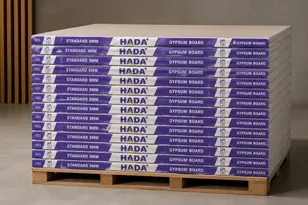
Moisture resistant board is a gypsum board made to cope with humidity. It is cut, fixed and finished like a standard gypsum board, so the finish looks the same as the rest of the ceiling or wall. Polad Trading supplies it in 12mm.
It is designed for humidity, not standing water, so it suits ceilings and walls in rooms that get steamy but are not hit directly by water.
Bathroom and toilet ceilings
Kitchen ceilings and walls away from the sink
Laundries and store rooms
Cement fibre board
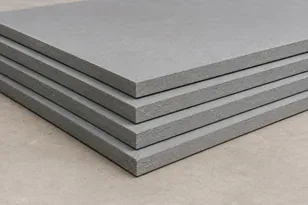
Cement fibre board is made from cement and fibres. It does not soften when wet, which makes it the right base wherever water reaches the surface directly. Polad Trading supplies it in 6mm and 9mm.
Wet zones and areas behind tiles
Areas around sinks
Covered outdoor areas
A simple rule
If the surface gets steam or occasional splashes, moisture resistant board is enough. If the surface gets wet, use cement fibre board. Many bathrooms use both: cement fibre board in the wet zone and moisture resistant board on the ceiling and dry walls.
Do not skip ventilation
No board fixes a room that never dries out. An extractor fan or an opening window protects the boards, the paint and the people using the room.